Paul Berryman
Book a conversationBackground

Right Fit for Risk, from the inside
For four years I was the person responsible for Right Fit for Risk accreditation at a large Disability Employment Services provider, through its transition to Inclusive Employment Australia. Initial certification, recertification every year after that, and the RFFR work behind a successful IEA bid when the DES contracts ended and the tenders opened.
That is a different job from advising on it. When an assessor asks a question there is nobody to hand it to. You are the one producing the evidence, explaining the gap, and saying what you intend to do about it, with a departmental contract sitting behind the answer. You also do it again the following year, and the year after, which changes what you build. Controls that look impressive once and cannot be sustained are worse than useless, because you have to keep proving them.
It means I read these frameworks the way a provider reads them, looking for what is genuinely required, what is merely recommended, and which of the two an assessor will treat as which. That distinction is most of the work and it is not written down anywhere.
The AI obligations now sit inside the same accreditation. Same assessor, same annual rhythm, same evidence burden, on a subject most providers have not had to think about before.
Credentials
Working with me
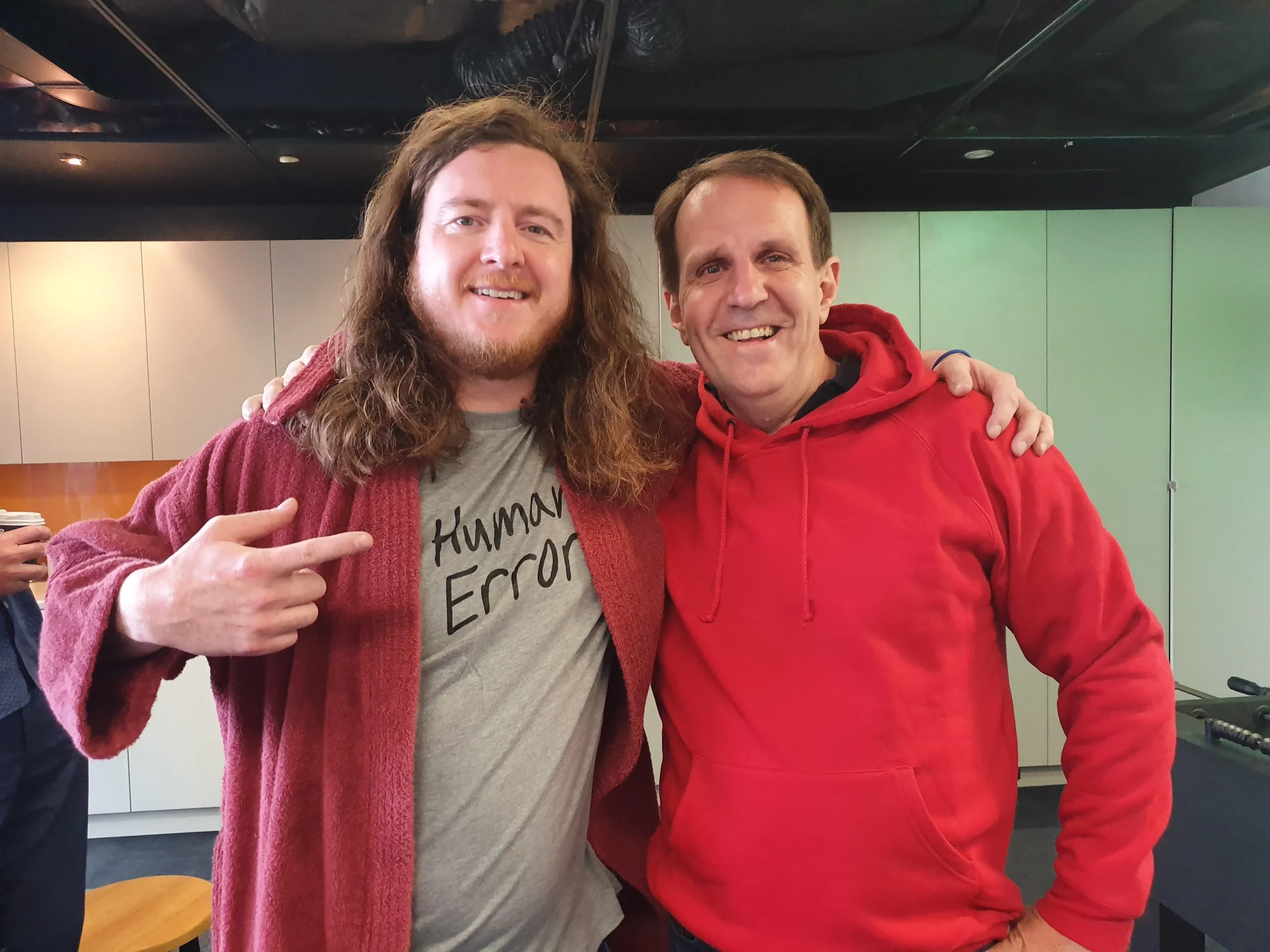
If you're having a bad day, I can empathise, I've been there...
My second worst first day was walking in to an environment that had been destroyed by a ransomware attack only a couple of weeks before.
I had to work with the incident response teams to not only recover the environment, but to protect it as we went and prevent this from ever happening again. I got to meet the Board under some trying circumstances and rebuild their trust in the IT platforms.
A few months later, once the environment was rebuilt and hardened, I met Human Error in person. Not the concept: the character Mimecast built its awareness training around, whose whole job is to click the thing you asked people not to click. After the year we had just had, the introduction felt earned.
To hear about my worst first day... well that might need a chat over a coffee at the very least.
Not sure where to start?
Tell me what you're facing. You'll get a straight answer on whether this is the right piece of work, and what it would involve.